Part 1: The Unwanted Guest
My name is Natalie Bennett. For nine months, I had been asking questions nobody in my family wanted to answer. My father, Richard Bennett, was the owner of six assisted-living facilities across Illinois, a respected businessman and the patriarch of our family. I was the company’s controller, a position of trust that gave me access to the financial records. It was there, in the sterile spreadsheets of a corporate audit, that I uncovered the truth.
I found that $2.3 million in resident deposits—money meant to secure long-term care for some of the most vulnerable people in our state—had been funneled through a consulting firm that didn’t exist. It was registered to an empty office in Nevada. When I confronted my father, he dismissed my concerns as a misunderstanding of a “temporary restructuring.” I knew better. It was theft.
When I refused to certify the fraudulent year-end financials, he retaliated swiftly. Within a week, I was out of the company, branded as unstable. My sister, Allison, who worked as the company’s PR director, became the chief architect of the family narrative. She parroted my father’s story, telling everyone I was fragile, that my relentless questions were a sign of a breakdown. My family began treating me like I was made of glass, as if asking for the truth was a sign of madness.
That was the real reason I “made everyone uncomfortable.” It wasn’t because I was unstable; it was because I was a threat to their comfortable, happy lie. On New Year’s Eve, my father’s text came: I was not welcome at the family party. Allison added a heart to the message, as if that could soften the blow. I spent the night alone, with a bottle of champagne I never opened, watching the news. What none of them knew was that I hadn’t been quietly falling apart. I had been building a case against him, one piece of evidence at a time.
Part 2: The Last Piece of Evidence
For months, I had been working in secret with Detective Sarah Okafor, a state investigator specializing in financial crimes against the elderly. I had handed over bank transfers, forged board minutes, and incriminating emails my father thought he’d deleted. But I had one final, crucial piece of evidence, and it was the most terrifying to acquire.
Three weeks earlier, I’d worn a small recorder to a meeting I told my father was about my “severance.” It was the hardest thing I’ve ever done. I listened as my father told our family attorney, in his own clear voice, to forge documents placing the entire scheme in my name. *”Put Natalie’s name on it. She’ll take the fall if anyone asks.”*
I sat on that recording for weeks, terrified of the consequences. Detective Okafor had assured me the investigation would continue, but without that recording, I was the prime suspect. It was the smoking gun. On December 28th, with trembling hands, I handed it over.
On New Year’s Eve, I sat alone on my couch as the local news began its countdown. Fireworks burst silently over the lake, a stark contrast to the turmoil inside me. Then the anchor’s voice changed. A special report on “Bennett Senior Living.” My father’s face filled the screen. They showed the bank transfers, the forged minutes, and security footage of my father entering my old office after midnight. And then they played the recording.
*”Put Natalie’s name on the authorization.”*
I watched my own father’s voice betray him on live television. For the first time in nine months, I didn’t feel afraid. I felt vindicated, finally believed. It was done. I had spoken the truth, and now the world would know it, too.
Part 3: The Dawn of a New Year
The report concluded with a chilling line: state investigators had obtained warrants hours earlier, but the full list of names hadn’t been released. At exactly 12:01 a.m., my phone rang. It was my sister, Allison, sobbing so hard I could barely understand her. She screamed at me, asking what I had done, saying Dad had seen the news and could barely breathe. I could hear the chaos of the party behind her—people shouting for medication, the sound of panic. “He found out too late,” I said.
Then her voice went quiet. “The police are outside,” she whispered. A second later, my own doorbell rang, making my blood run cold. I opened the door, half-expecting to be arrested, exactly as my father had planned. Instead, Detective Okafor stood there with a uniformed officer and a woman I didn’t recognize. “Ms. Bennett, the warrants went out tonight. Your father and the accountant have been taken into custody. Given your cooperation, the state is not pursuing charges against you.”
I nearly collapsed with relief. Then the other woman stepped forward. “My name is Carol Reyes. My mother is a resident at one of the facilities. I wanted to meet you in person. We’ve been organizing for months, trying to figure out what was wrong. Detective Okafor told us none of this comes to light without you.” I cried for the first time in nine months, not out of fear, but out of a relief so profound it shook me to my core.
Allison called back twenty minutes later, her voice a broken whisper. She admitted she didn’t know how bad it was, that she believed my father’s lies because they were easier than the truth. “I am so sorry for every story I repeated about you,” she wept. “I’m sorry I let everyone treat you like you were unstable, when you were the only one brave enough to do something.”
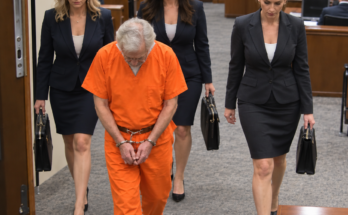
The coming months were a whirlwind of legal proceedings. My father was convicted of fraud and elder financial abuse. The company was placed under receivership, and the residents’ deposits were eventually recovered. Allison resigned from her PR job and testified on my behalf, publicly correcting the false narrative she had once spread. We were finally healing.
The following New Year’s Eve, Allison hosted a smaller party, without our father. She asked me to come early to set up, just like we did when we were kids. As the clock struck midnight, we stood together on her balcony, watching the fireworks. “Thank you for not giving up,” she said. I smiled for the first time in what felt like forever. “Someone had to make everyone a little uncomfortable,” I replied. “Turns out that’s exactly what saves people sometimes.” That year, I wasn’t watching the fireworks alone. I was finally home. ❤️