PART 3
Calvin was taken into custody that afternoon, and the recording, combined with Dr. Reyes’s documented findings, gave the county prosecutor’s office more than enough to move forward despite the Whitaker family’s influence. Margaret spent the following days making calls, hiring the most expensive defense attorney her husband’s firm could recommend, and trying, without much success, to convince hospital administrators that Nora had somehow coerced or misrepresented the situation.
It didn’t work. Dr. Reyes’s original scans and notes had been filed before Nora ever arrived, timestamped and independent of anything she said or did afterward. The evidence existed on its own, regardless of how much pressure Margaret’s connections could apply.
Nora didn’t leave Lily’s side for the next four days, sleeping in a chair beside the hospital bed, still partly in her uniform because she hadn’t had a reason to go home and change. Lily slowly opened up, in the careful, fragmented way children sometimes do, about things that had happened while her mother was away — moments of Calvin’s temper that Lily had learned to associate with certain tones in his voice, certain kinds of silence in the house that meant something was about to happen.
Nora recorded none of those conversations. She simply listened, held her daughter’s hand, and made sure Lily understood, over and over, that none of it had been her fault.
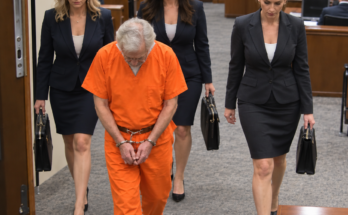
The custody hearing that followed was swift by family court standards, largely because the criminal case moved forward in parallel, and no judge was willing to grant Calvin visitation while charges of felony child abuse were actively pending. Nora was granted full physical and legal custody. Calvin’s parental rights were suspended pending the outcome of his trial, and given the strength of the medical evidence and his own recorded admission, his attorney eventually negotiated a plea rather than risk trial — a plea that still resulted in real prison time and a permanent record.
Margaret tried, several times over the following months, to maintain contact with Lily, framing herself as the one steady family presence Lily had left on her father’s side. Nora allowed limited, supervised contact for a while, mostly for Lily’s sake, until it became clear that Margaret was using those visits to quietly undermine the case, reminding Lily that “Daddy made a mistake, but families forgive,” language that Nora recognized immediately as an attempt to soften a seven-year-old into eventually recanting. That contact ended entirely after Nora brought it to her attorney’s attention.
Nora requested a transfer to a stateside post shortly after the custody hearing concluded, trading the classified deployments that had once defined her career for something steadier, closer to home. It wasn’t the career trajectory she’d once planned for herself, but watching Lily slowly relearn what safety felt like — sleeping through full nights again, no longer flinching at raised voices, eventually laughing the way she used to before any of this started — made the trade an easy one.
A year later, Lily started therapy specifically designed for children recovering from family trauma, and made steady, real progress. She still slept under the same lavender quilt her mother had mailed home before that deployment, worn soft now from use, and some nights, when Nora checked on her before bed, she’d find Lily holding the edge of it the way some kids hold a favorite stuffed animal — a small, quiet anchor to the version of home that had finally become safe again.
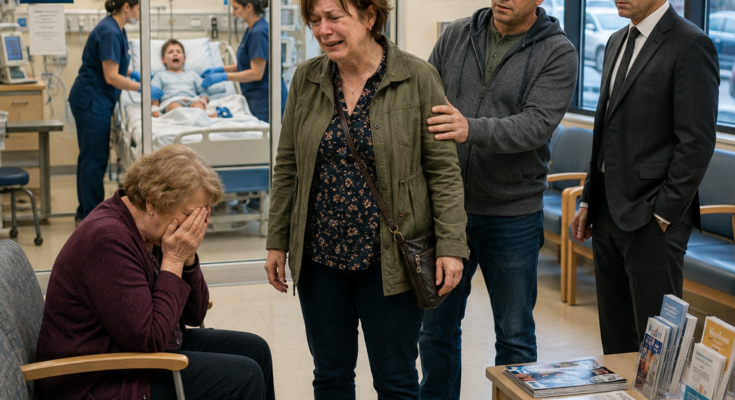
Nora kept the recording from that hospital waiting room saved, backed up in three separate places, not out of vengeance, but because she’d learned, the hard way, exactly how far money and influence could go toward rewriting the truth if you let silence do the talking for you.
She never let it again.
Sometimes protecting the people you love means walking directly into the version of the truth everyone around you is hoping you’ll be too tired, or too polite, or too intimidated to say out loud.
— The End —